
FACULTIES AND GRADUATE SCHOOLS
About
Brief Profile
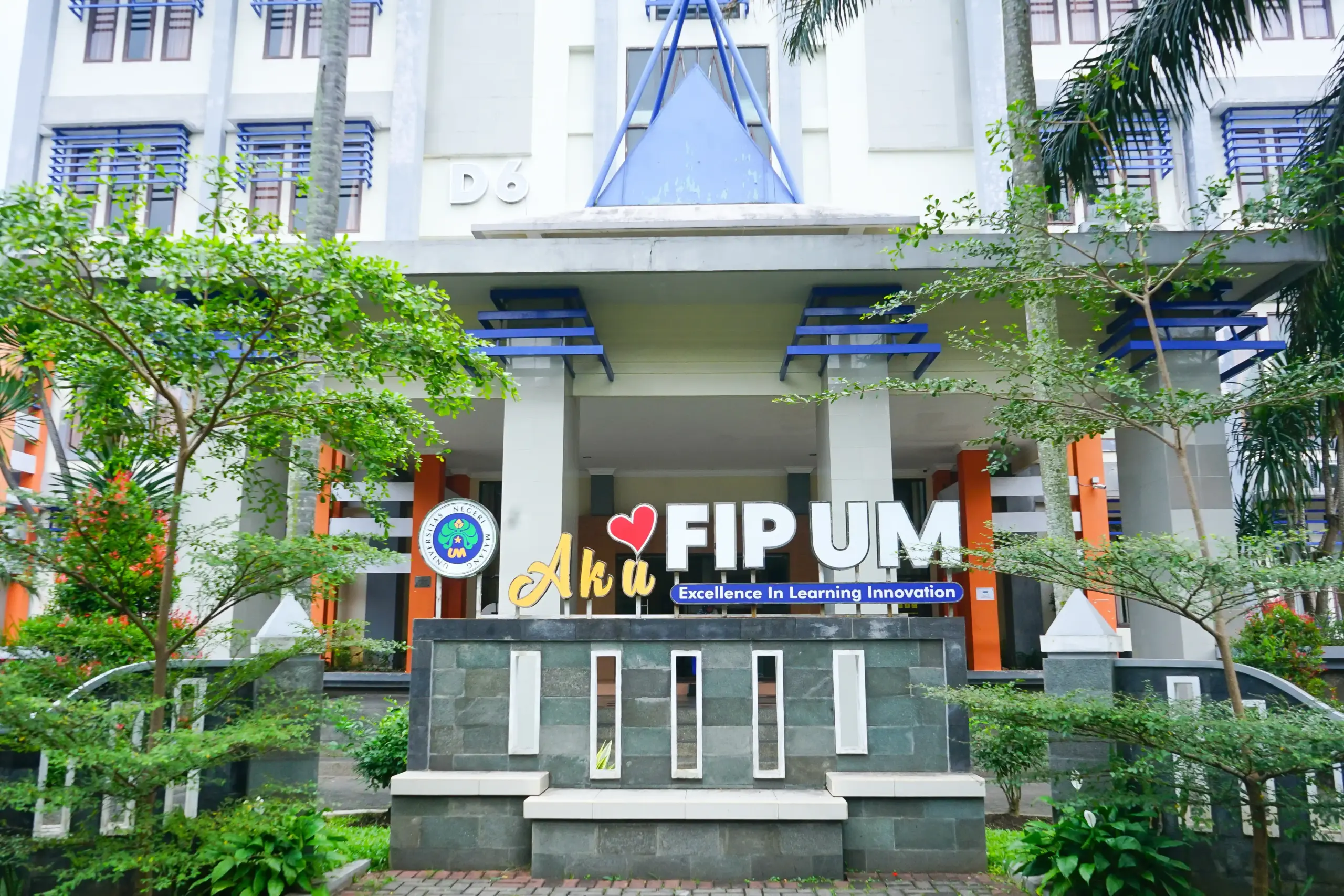
The Faculty of Education is the oldest faculty and the institutional cornerstone of Universitas Negeri Malang. Its history dates back to 1954, when it was established as the Teacher Education College of Malang (Perguruan Tinggi Pendidikan Guru/PTPG Malang). It later became part of the Faculty of Teacher Training and Education (FKIP) at Universitas Airlangga, and subsequently formed the core of the Institute of Teacher Training and Education (IKIP) Malang in 1963. Since 1999, the Faculty of Education has been formally recognized as one of the leading faculties at Universitas Negeri Malang. Organizationally, the Faculty comprises several departments: the Department of Guidance and Counseling, the Department of Educational Technology, the Department of Educational Management, the Department of Nonformal Education, the Department of Elementary and Preschool Teacher Education, the Department of Special Education, and the Department of Early Childhood Education.
Aims & Objectives
Vision
To become a leading faculty and a benchmark in the field of education with global competitiveness.
Commitment
Mission
- To provide excellent education and learning
- Advancing high-quality research to generate novel and impactful contributions to society
- Providing outstanding community engagement to empower and enhance societal well-being in the field of education with global competitiveness
Future Prospects
Career Prospects
The Faculty of Education at Universitas Negeri Malang (FIP UM) is widely recognized as a leading institution for preparing professional educators and educational personnel. Its graduates are equipped to pursue careers as teachers (at the elementary, early childhood, guidance and counseling, and special education levels), education managers, curriculum developers, learning resource specialists, tutors, and professionals across a wide range of formal and nonformal educational institutions.
Learn More About the Faculty of Education
Discover comprehensive information on academic programs, admissions, facilities, and academic activities.
More Details
Discover comprehensive information on academic programs, admissions, facilities, and academic activities.
About
Brief Profile
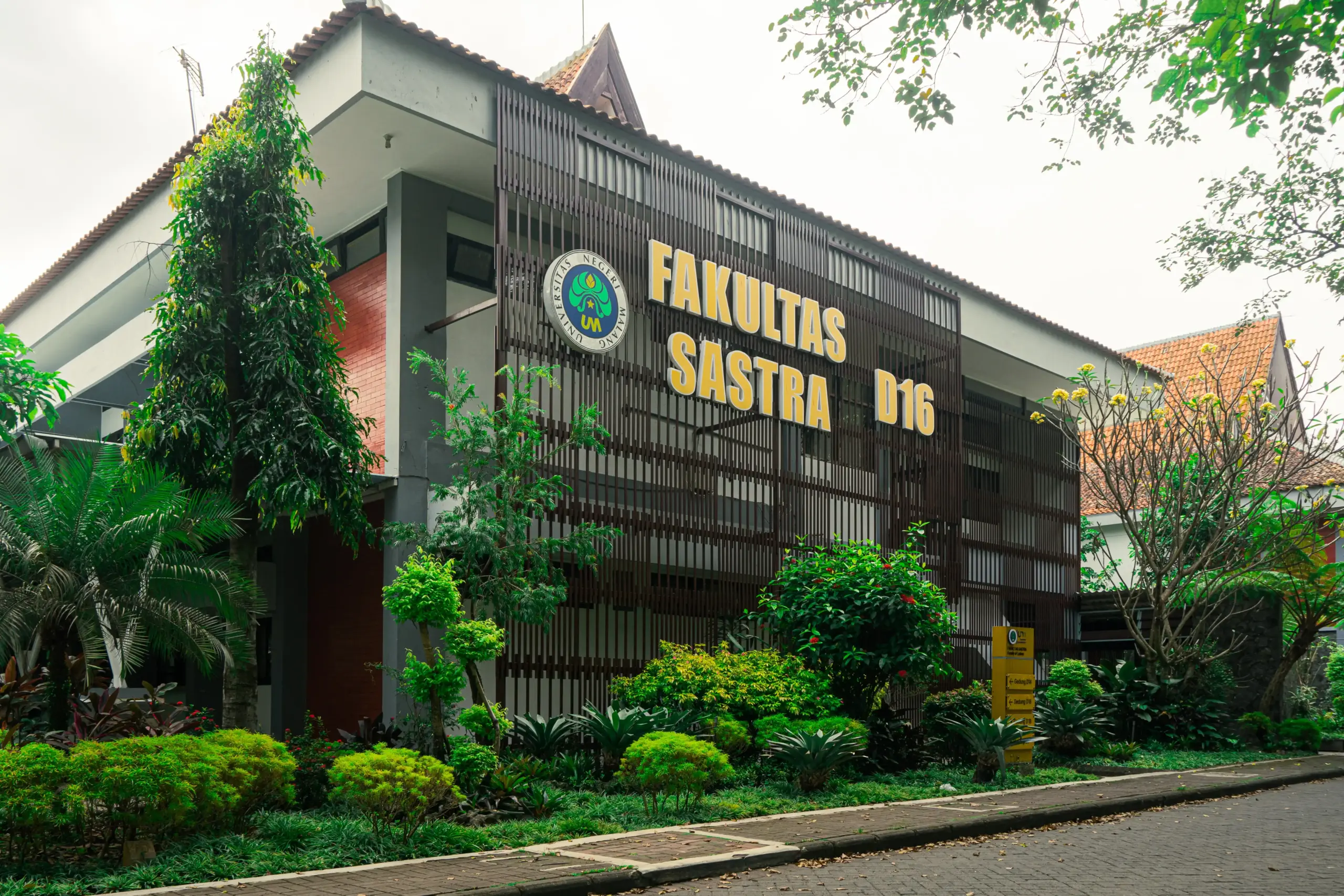
The Faculty of Letters at Universitas Negeri Malang (FS UM) is an academic unit focused on the development of education, research, and community service in the fields of language, literature, art, and design, with a commitment to producing graduates who are faithful, knowledgeable, creative, and responsible. Rooted in the establishment of the Department of Indonesian and English Language in 1954, the Faculty of Letters (FS UM) has continuously developed and now oversees various study programs from diploma to doctoral levels across five main departments. Through its 2022–2026 Strategic Plan, FS UM aims to enhance the quality of its graduates, lecturers, curriculum, governance, and financial performance to become a leading and benchmark faculty at both national and international levels.
Aims & Objectives
Vision
To be a leading and reference faculty at national and international levels in the fields of language, literature, information science, art, design, and education.
Commitment
Mission
- To organize innovative, research-based education and learning in the fields of language, literature, information science, art, design, and education, utilizing information technology to produce graduates with strong character and national and international competitiveness.
- To organize and facilitate research in the fields of language, literature, information science, art, design, and education to advance national science, technology, and culture, thereby improving national welfare and gaining national and international recognition.
- To organize and facilitate Community Engagement in the fields of language, literature, information science, art, design, and education as a practice and culturalization of science and technology to enlighten and improve national welfare.
- To establish robust, efficient, accountable, and transparent faculty governance based on information technology, strengthening partnerships to continuously improve quality towards self-reliance.
Future Prospects
Career Prospects
Graduates are prepared for careers as teachers, lecturers, researchers, and professionals. Graduates have opportunities in the language and communication industry as translators, editors, writers, and content creators. The competencies developed provide broad access to creative industries such as graphic design, animation, and performing arts. In the information sector, graduates can work as librarians, archivists, and digital data managers. Entrepreneurship empowerment encourages graduates to become entrepreneurs in the creative, educational, and digital sectors.
Learn more about the Faculty of Letters
Find complete information on study programs, admissions, facilities, and academic activities.
More Details
Find complete information on study programs, admissions, facilities, and academic activities.
About
Brief Profile
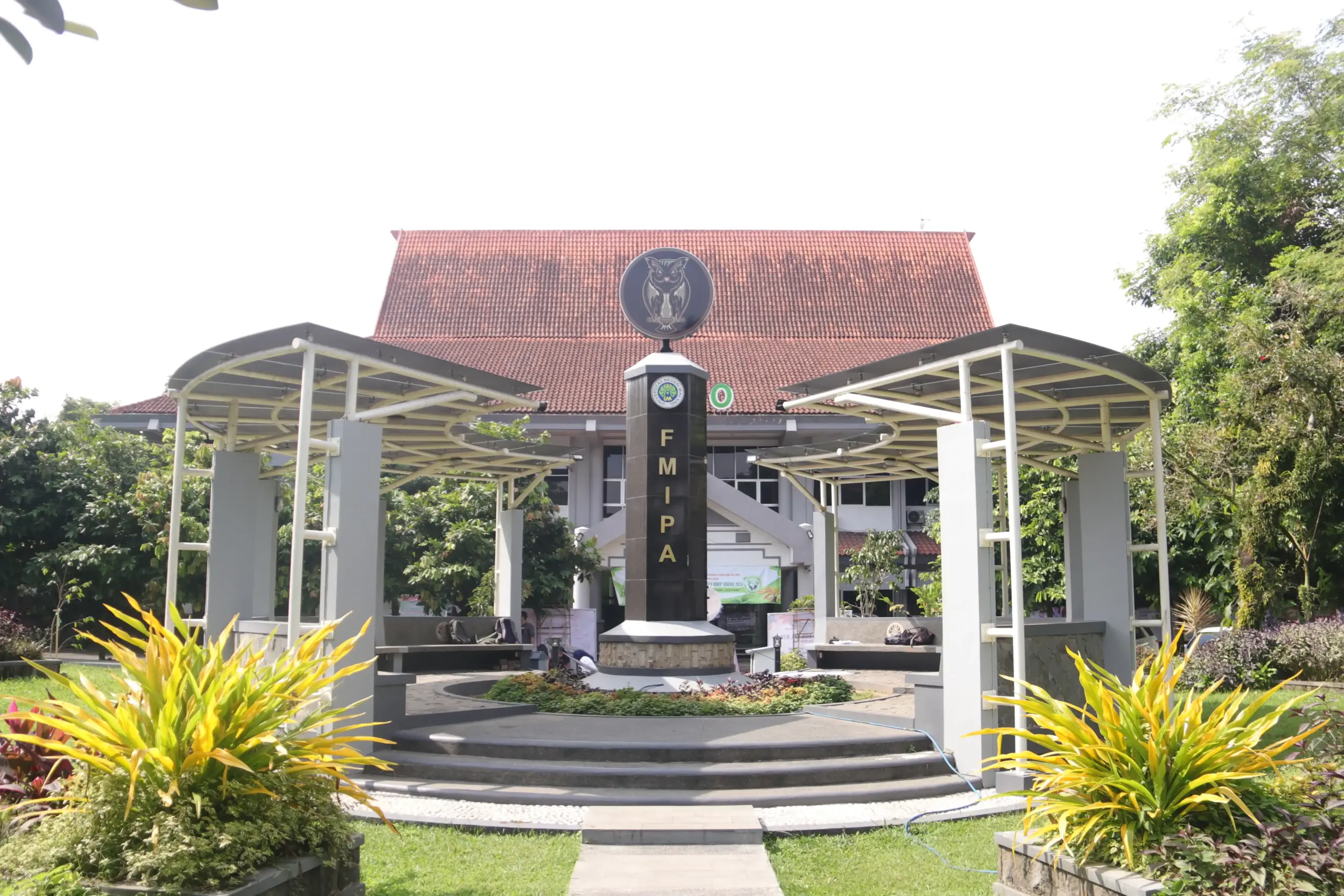
FMIPA UM originated from the Department of Natural Sciences at PTPG Malang, which was established on October 18, 1954, with 28 students. As it evolved, this institution transformed from PTPG to become part of the Faculty of Teacher Training and Education (FKIP) at Airlangga University, then became IKIP Malang in 1963. In 1981, FKIE changed to FPMIPA with four main departments: Mathematics, Physics, Chemistry, and Biology. In 1999, IKIP Malang became Universitas Negeri Malang, and FPMIPA was renamed FMIPA. Currently, FMIPA offers 25 undergraduate, master's, and doctoral programs managed across six departments.
Aims & Objectives
Vision
By 2030, to become a leading and reference faculty in learning, research, innovation, and community engagement in the fields of Mathematics and Natural Sciences (MIPA), MIPA education, and nutrition in Southeast Asia.
Commitment
Mission
- To organize student-centered education and learning, using effective, multidisciplinary/interdisciplinary/transdisciplinary learning approaches, with a global perspective, and optimizing the use of technology.
- To conduct research and innovation in MIPA, MIPA Education, and nutrition that benefits scientific development and has a global impact on achieving sustainable development and community welfare.
- To organize community engagement focused on empowering communities through the application of research in MIPA, MIPA Education, and nutrition.
Future Prospects
Career Prospects
FMIPA is committed to producing graduates who are competent, have noble character, are independent, and are innovative. Graduates are also equipped with the ability to collaborate globally and develop professionally. The innovations produced are aimed at achieving excellence and global impact. Community service is carried out through the application of research results to foster independent, productive, and prosperous communities.
Learn more about the Faculty of Mathematics and Natural Sciences
Find complete information on study programs, admissions, facilities, and academic activities.
More Details
Find complete information on study programs, admissions, facilities, and academic activities.
About
Brief Profile
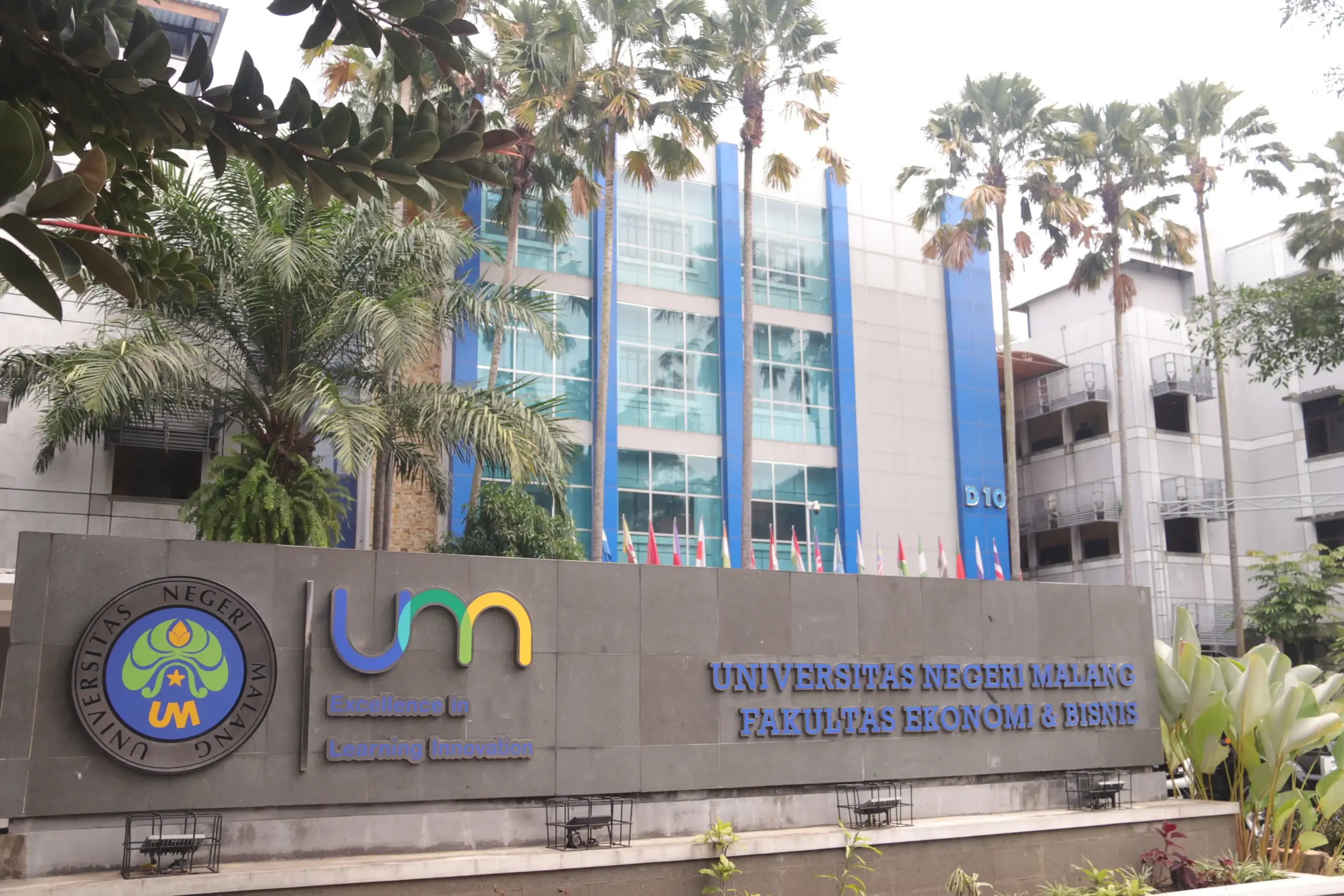
The Faculty of Economics and Business UM developed from the Department of Business World Education (PDU), which was a combination of General Economics and Business Education. In 1996, PDU was transformed into the Department of Economic Education with four concentrations: Cooperatives, Accounting, Commerce, and Office Administration. Following the change of IKIP Malang to Universitas Negeri Malang in 1999, non-educational study programs such as Management, Accounting, and Marketing Management were opened. FEB UM continues to grow with the addition of undergraduate, D-III, and postgraduate programs, as well as organizational strengthening as one of the main faculties within UM.
Aims & Objectives
Vision
To be a leading and reference faculty in educational and non-educational fields for the development of Economics, Management, Business, and Accounting at national and international levels.
Commitment
Mission
- To organize excellent and reference education and learning in educational and non-educational fields of Economics, Management, Business, and Accounting.
- To conduct excellent and reference research to produce new findings beneficial to society in educational and non-educational fields of Economics, Management, Business, and Accounting.
- To organize excellent and reference community engagement to empower and improve the welfare of society in educational and non-educational fields of Economics, Management, Business, and Accounting.
Future Prospects
Career Prospects
Graduates of FEB UM have opportunities to become educators as teachers and lecturers in the fields of economics, business, management, accounting, and office administration. They are also prepared to become creative and competitive entrepreneurs and business innovators in the global market. Graduates have career opportunities as professional practitioners in various sectors, including banking, industry, consulting, as well as government agencies and state-owned enterprises.
Learn more about the Faculty of Economics and Business
Find complete information on study programs, admissions, facilities, and academic activities.
More Details
Find complete information on study programs, admissions, facilities, and academic activities.
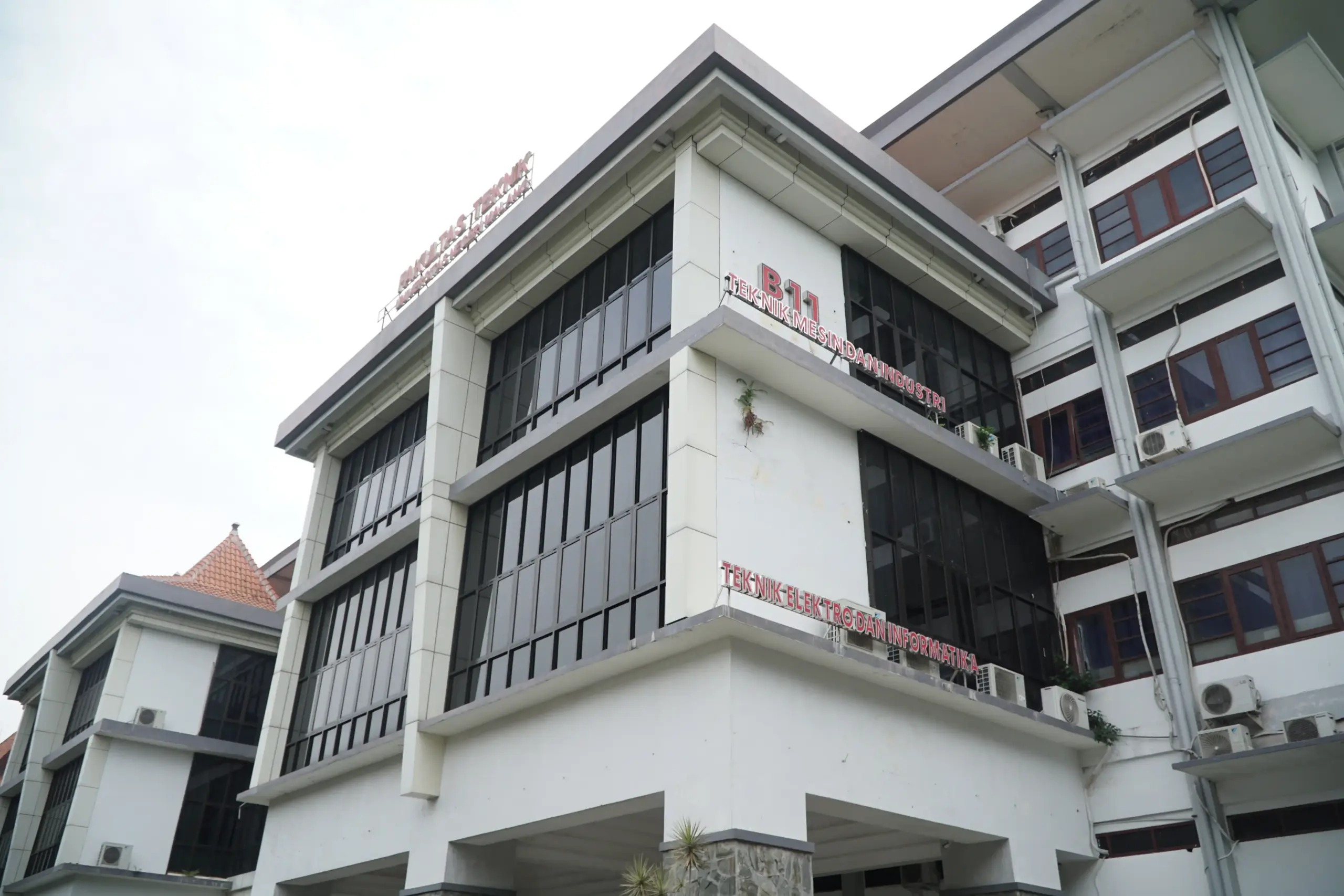
About
Brief Profile
The Faculty of Engineering UM was first established on September 1, 1965, under the name Faculty of Technical Teacher Training (FKT). As UM developed, FKT transformed into the Faculty of Vocational Technology Education (FPTK) in 1981 and became the Faculty of Engineering (FT) in 1999. Today, the Faculty of Engineering continues to advance and grow with the slogan "Engineers of Change Shaping the Future."
Aims & Objectives
Vision
To be a leading faculty and a reference for science and technology in academic and professional education.
Commitment
Mission
- To organize academic, vocational, and professional education that produces intelligent and competitive graduates with good character, utilizing effective technology and learning methods.
- To conduct research in educational and engineering fields to produce implementable and environmentally friendly innovations based on smart technology that benefit the development of science and its applications.
- To organize community engagement focused on the application of research innovations and technology to enhance the excellence, productivity, and welfare of society.
- To implement accountable and transparent governance that ensures continuous quality improvement and excellent service delivery through the utilization of technology.
Future Prospects
Career Prospects
To produce intelligent, competitive graduates with noble character, independence, and national commitment. Graduates are equipped with academic and/or professional competencies to enable continuous development. Community service is strengthened through the application of research results to enhance productivity and welfare.
Learn more about the Faculty of Engineering
Find complete information on study programs, admissions, facilities, and academic activities.
More Details
Find complete information on study programs, admissions, facilities, and academic activities.
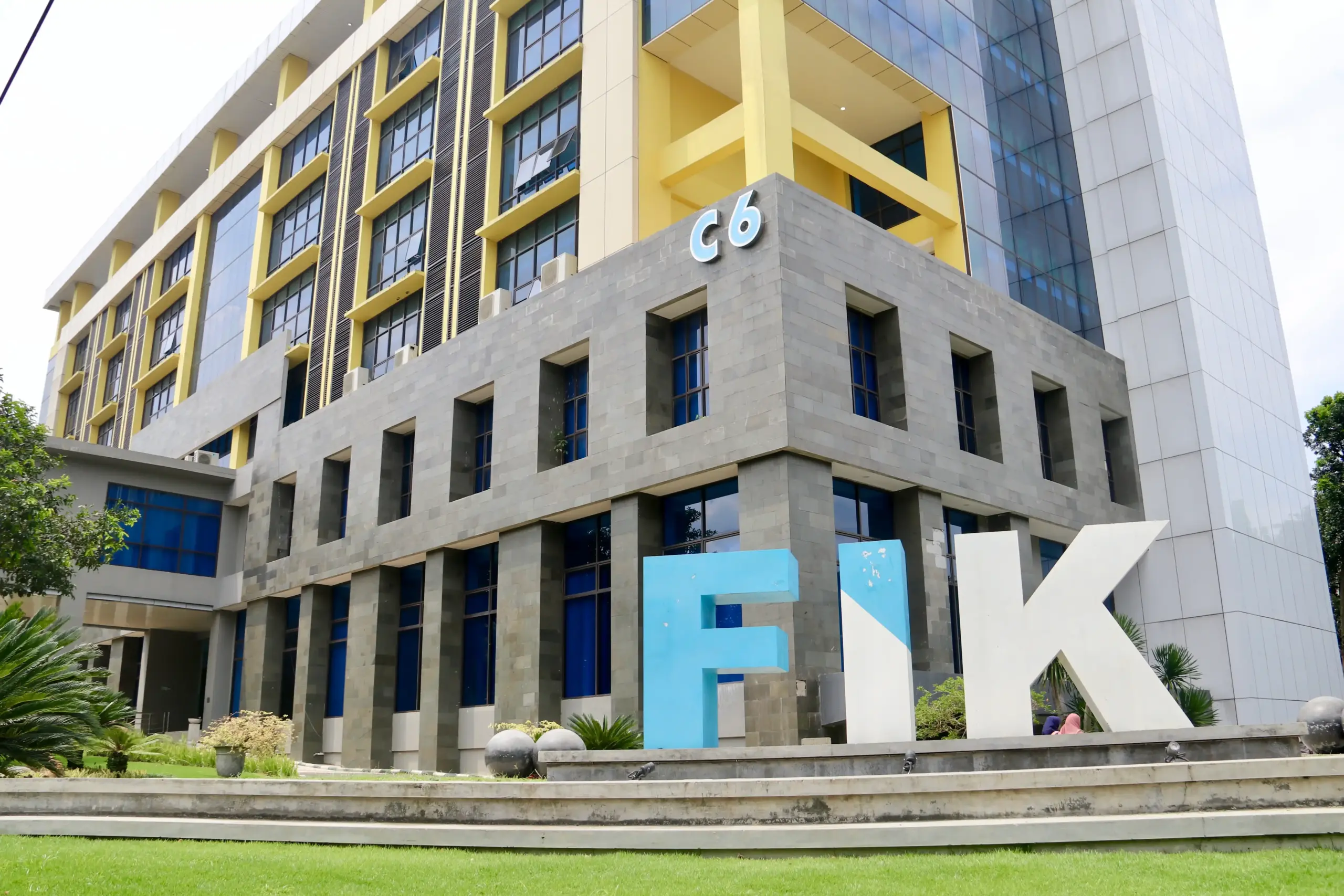
About
Brief Profile
The Faculty of Sports Science (FIK) at UM has a strong commitment to producing professional graduates with integrity, who are adaptive to the developments in science and technology, particularly in the realms of physical education, health, recreation, sports coaching, and sports science based on scientific research.
Aims & Objectives
Vision
By 2030, to become a leading and reference Faculty of Sports Science in education, science, and technology in the fields of sports, public health, physical education, and sports coaching in Indonesia.
Commitment
Mission
- To organize excellent, student-centered education and learning, using effective learning approaches, and optimizing the use of technology in the fields of sports, public health, physical education, and sports coaching.
- To conduct excellent research in the fields of sports, public health, physical education, and sports coaching based on science and technology, producing new findings that benefit scientific development and community welfare.
- To organize excellent community engagement focused on empowering and improving community welfare through the application of science and technology in the fields of sports, public health, physical education, and sports coaching.
Future Prospects
Career Prospects
Fitness instructors, coaches, teachers, sports masseurs, sports journalists, sports institution staff, military personnel, police officers, health educators, hospital administrative staff, occupational health and safety experts, community nutrition consultants, researchers, lecturers/educational staff.
Learn more about the Faculty of Sports Science
Find complete information on study programs, admissions, facilities, and academic activities.
More Details
Find complete information on study programs, admissions, facilities, and academic activities.
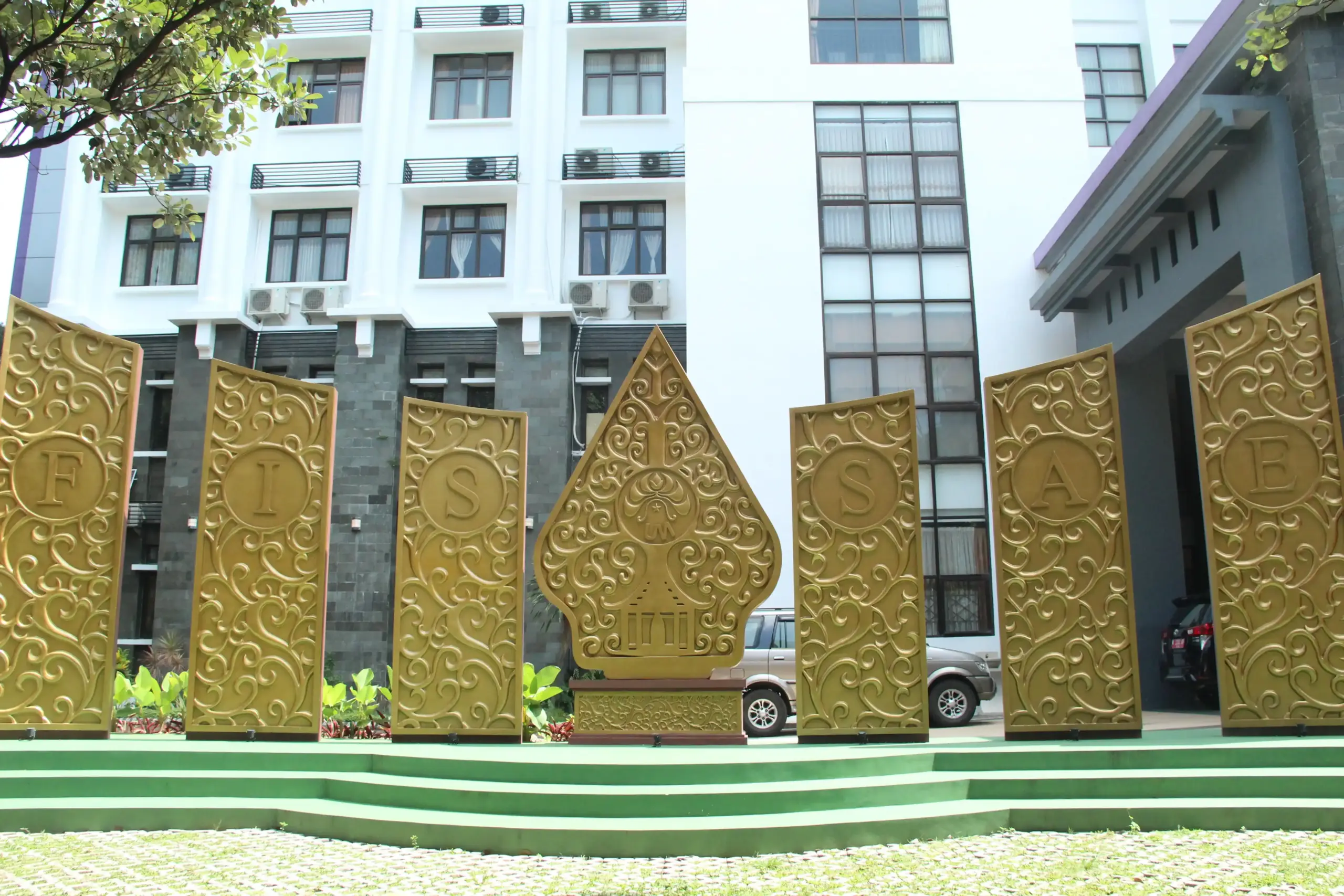
About
Brief Profile
The Faculty of Social Sciences (FIS) was re-established on August 17, 2009, based on the Rector of Universitas Negeri Malang Decree No. 047/KEP/H32/OT/2009. Previously, FIS was known as the Faculty of Education for Social Sciences (FPIPS), which housed several departments such as Economic Education, History, Geography, and Pancasila and Civic Education. In response to the need for social science development, several departments, including Law and Citizenship, Geography, and History, were reintegrated into the Faculty of Social Sciences. Currently, FIS manages study programs covering undergraduate, master's, and doctoral levels in various fields of social sciences.
Aims & Objectives
Vision
To be a leading and reference faculty in learning, research, and community engagement in the field of social sciences, both nationally and internationally.
Commitment
Mission
- To organize high-quality education and learning to develop the potential and personality of students who are excellent nationally and regionally.
- To conduct research to advance science and technology, improve community welfare, and gain national and international recognition.
- To organize community engagement as a practice and culturalization of science and technology to advance community welfare and enlighten the nation.
- To implement robust, accountable, and transparent governance and strengthen partnerships to continuously improve quality.
Future Prospects
Career Prospects
Graduates have career opportunities in the government sector as Civil Servants (ASN), including teachers, lecturers, administrative staff, and educational functional staff. Professions such as curators, archivists, notaries, lawyers, and banking professionals are available. In the private sector, graduates can pursue careers in HRD, public relations, marketing, and communication media. Creative and digital fields are also open, such as content creators, journalists, GIS analysts, regional planning, and the tourism sector.
Learn more about the Faculty of Social Sciences
Find complete information on study programs, admissions, facilities, and academic activities.
More Details
Find complete information on study programs, admissions, facilities, and academic activities.
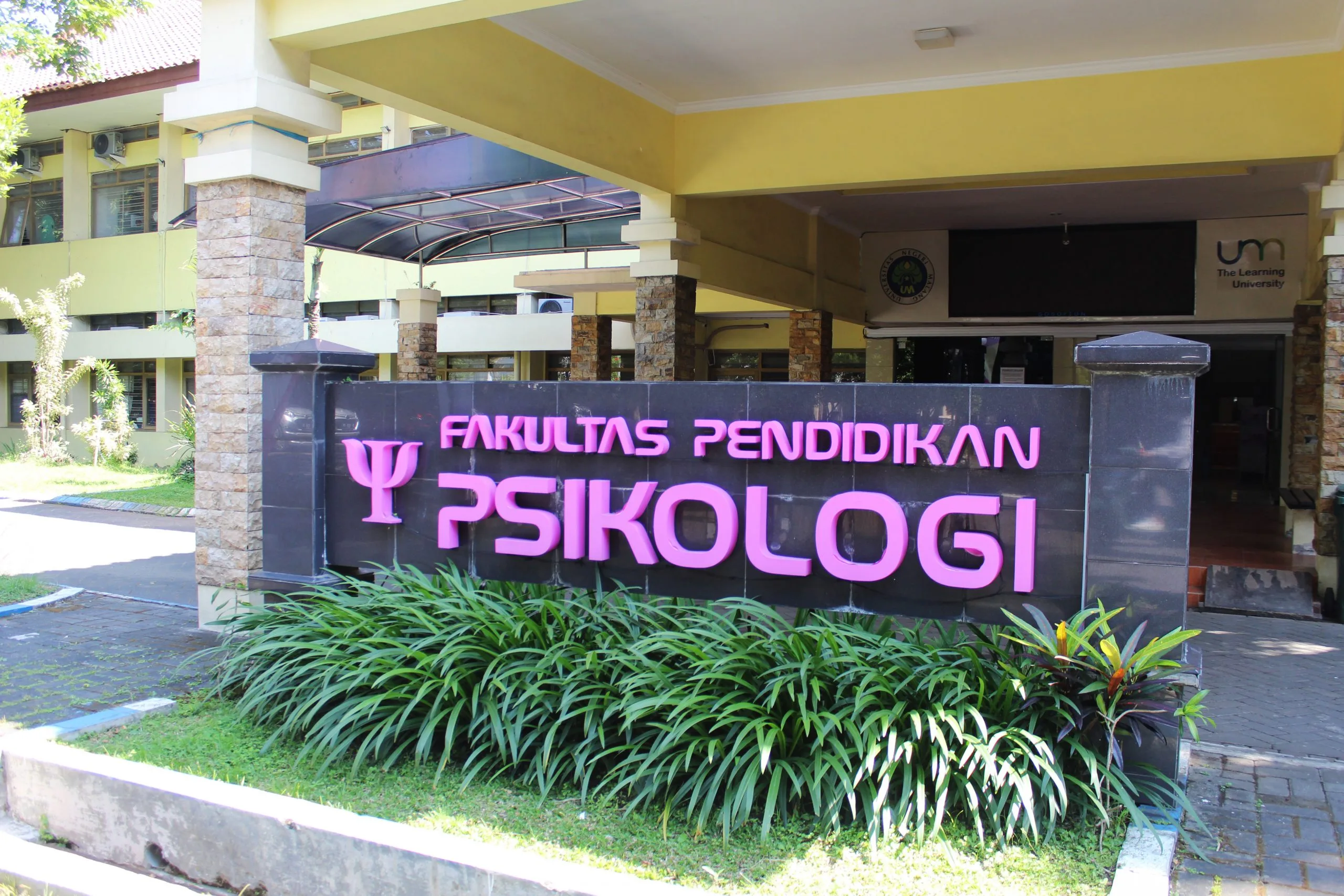
About
Brief Profile
The Faculty of Psychology at UM has one department, the Department of Psychology, with four study programs: Undergraduate (S1), Professional Psychologist, Master's (S2), and Doctorate (S3) in Educational Psychology. The development of the three pillars of higher education is supported by five Areas of Expertise Groups (KBK) covering Educational Psychology, Social Psychology, Developmental Psychology, Industrial and Organizational Psychology, and Clinical Psychology. Based on EduRank and Scimago rankings, UM's Psychology program is among the top five nationally and holds rankings at the Asian and global levels.
Aims & Objectives
Vision
To be a leading faculty of psychology and a national and international reference for character education based on educational psychology, social psychology, industrial and organizational psychology, developmental psychology, and clinical psychology.
Commitment
Mission
- To develop psychological science into innovative educational and teaching practices to foster Indonesian character (divinity, humanity, Indonesian unity, democracy, and social justice).
- To develop research and psychological publications related to character education based on areas of expertise at national and international levels that benefit society.
- To organize community engagement and psychological services for society related to issues of Indonesian character development.
- To implement autonomous, accountable, and transparent governance for the continuous improvement of the Tri Dharma of Higher Education in the field of psychology.
Future Prospects
Career Prospects
The institution aims to produce competent graduates in the field of psychology with character based on the values of divinity, humanity, unity, democracy, and social justice. The development of knowledge is directed towards enhancing research-based community service to support community welfare. The institution emphasizes autonomous, accountable, and transparent performance to ensure sustainable welfare improvement.
Learn more about the Faculty of Psychology
Find complete information on study programs, admissions, facilities, and academic activities.
More Details
Find complete information on study programs, admissions, facilities, and academic activities.
About
Brief Profile
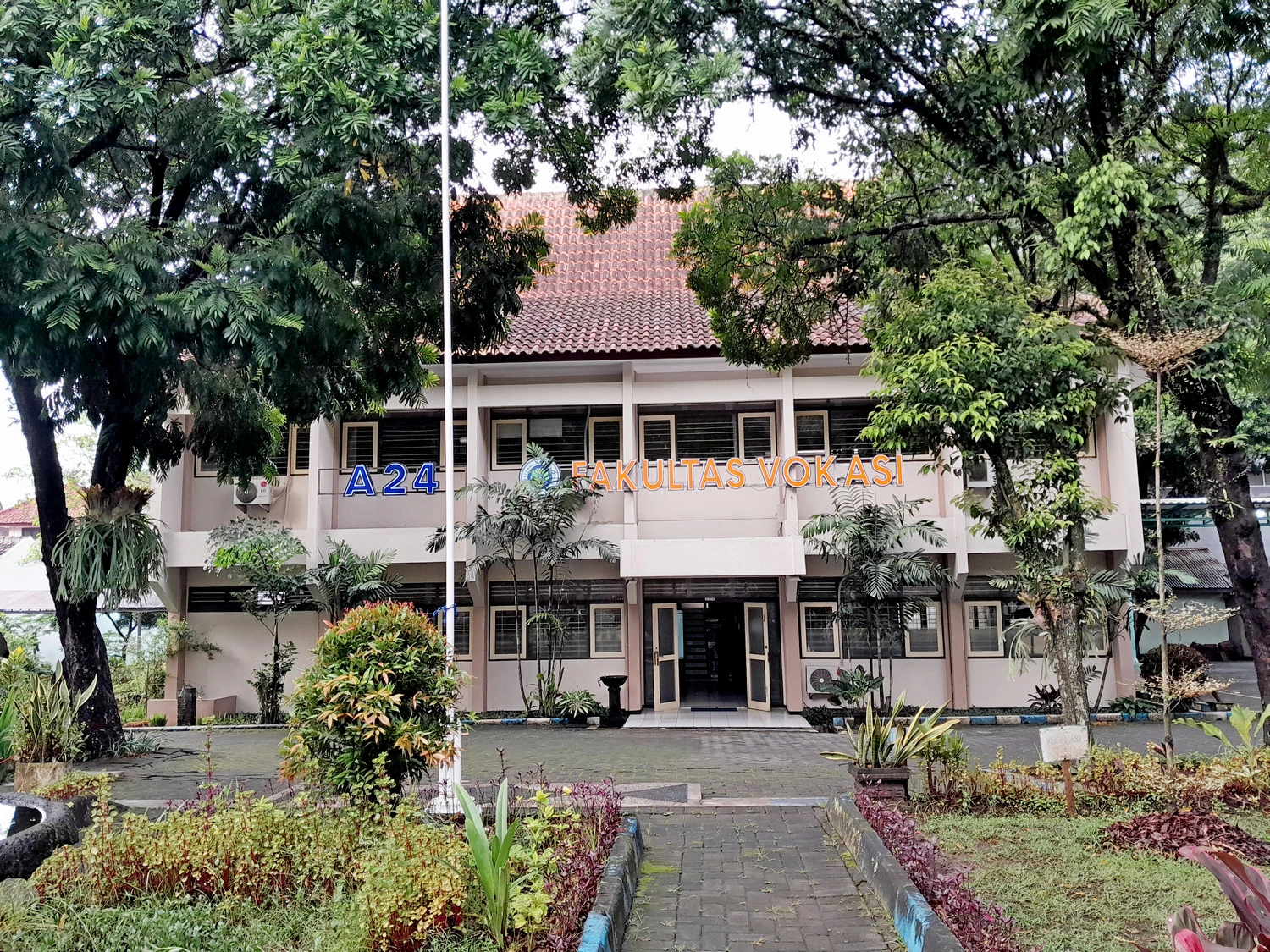
The Faculty of Vocational Studies at UM originated from diploma programs that have existed since 1997 and were previously spread across several faculties. In 2022, all D3 programs were upgraded to D4 or Applied Bachelor's degrees in accordance with national policy. The Faculty of Vocational Studies at UM was officially established on February 28, 2023, by rector's decree. This faculty integrates 11 D4 study programs to produce applied graduates who are job-ready and globally competitive.
Aims & Objectives
Vision
To be a leading faculty and a reference in the development of applied business, art, and engineering sciences at national and international levels.
Commitment
Mission
- To organize education and learning in applied business, art, and engineering fields with national and international standards, centered on students, using effective learning approaches, and optimizing the use of information technology.
- To conduct research in applied business, art, and engineering fields at national and international levels that benefits scientific development and community welfare.
- To organize community engagement focused on empowering communities through the application of applied business, art, and engineering sciences.
- To implement accountable, credible, and transparent governance and institutional management, ensuring continuous quality improvement.
Future Prospects
Career Prospects
Applied Bachelor's graduates in accounting and marketing have career opportunities in the business, finance, and digital marketing sectors, and can also become entrepreneurs. The fields of manufacturing engineering, automotive, and energy prepare graduates for careers as engineers, consultants, or technopreneurs. Electronic systems graduates have prospects in IoT, robotics, and telecommunications. Culinary arts and fashion design open opportunities in the culinary and fashion industries. Animation and digital library graduates have opportunities in creative industries and digital data management.
Learn more about the Faculty of Vocational Studies
Find complete information on study programs, admissions, facilities, and academic activities.
More Details
Find complete information on study programs, admissions, facilities, and academic activities.
About
Brief Profile
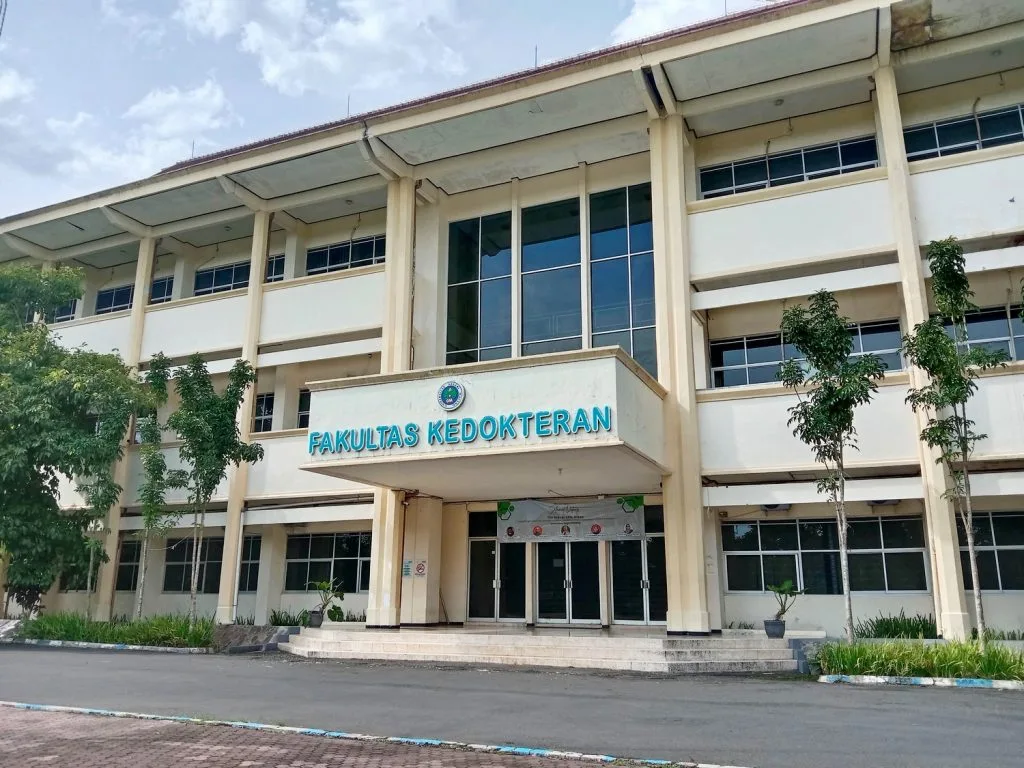
The Faculty of Medicine at Universitas Negeri Malang (FK UM) is a new faculty established to develop medical science and sports medicine. This faculty envisions becoming a center of excellence in the development of medical science, with the goal of producing professional medical personnel who are competent not only in general health services but also in promotive and preventive aspects.
Aims & Objectives
Vision
To become a leading Faculty of Medicine, especially in the field of Medicine and Sports Health, by 2031.
Commitment
Mission
- To organize excellent education and teaching in the fields of medicine and sports health.
- To conduct excellent research to produce new findings beneficial to society in the fields of Medicine and Sports Health.
- To organize excellent community engagement to empower and improve community welfare in the fields of Medicine and Sports Health.
- To implement autonomous, accountable, transparent, and responsible faculty-level governance that ensures continuous quality improvement of the Tri Dharma of Higher Education in the fields of Medicine and Sports Health.
Future Prospects
Career Prospects
The prospects for graduates of the Faculty of Medicine at UM are excellent as healthcare professionals are always in demand. Medical graduates can become general practitioners, pursue specialization, open private practices, or work in institutions and research. Nursing graduates have opportunities as professional nurses in hospitals, clinics, and abroad. Midwifery graduates play a role in maternal and child health services, both in healthcare facilities and independent practices.
Learn more about the Faculty of Medicine
Find complete information on study programs, admissions, facilities, and academic activities.
More Details
Find complete information on study programs, admissions, facilities, and academic activities.
About
Brief Profile
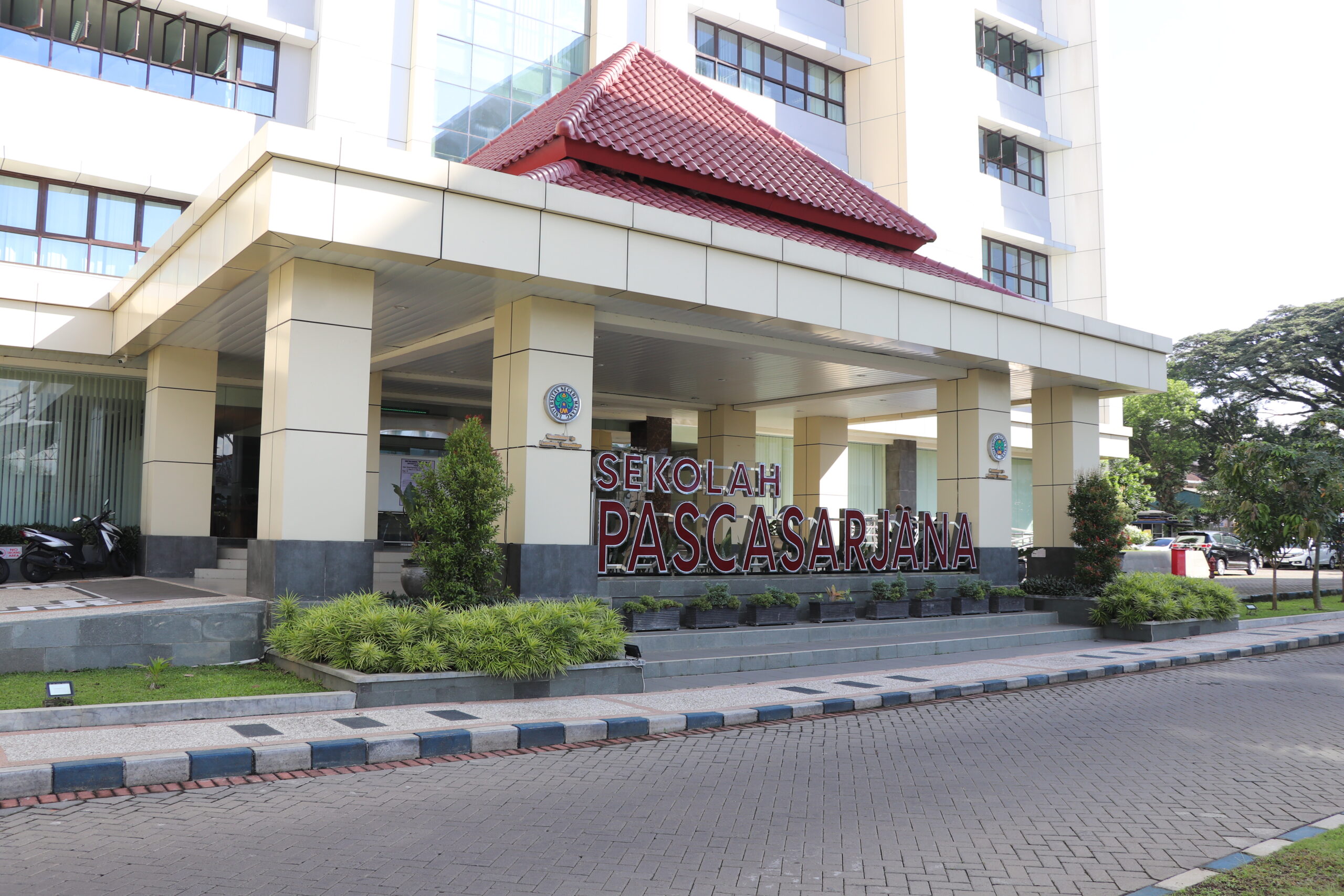
The Doctoral Education Program at IKIP Malang (now Universitas Negeri Malang) was pioneered in 1968 through the Sarjana Purna Program in collaboration with the Ford Foundation. In 1976, this program evolved into the Doctoral Education Study Program (PSPD). The first doctoral lectures began on February 1, 1976, and have since expanded into various fields. Since 1980, the postgraduate program has also included master's (S2) level. Institutionally, the program transformed into the Postgraduate and Doctoral Program (1982), the Faculty of Postgraduate Studies (1983), and since 1990, it has been known as the Postgraduate Program (PPs).
Aims & Objectives
Vision
To be a leading postgraduate school and professional education provider, and a reference in multidisciplinary education programs.
Commitment
Mission
- To organize character-based education and life-based learning that develops learning independence, critical and creative thinking skills, using effective learning approaches, and optimizing the use of technology.
- To conduct research that benefits the development of science, technology, multidisciplinary education, and community welfare.
- To organize community engagement focused on empowering communities through the application of science, technology, and educational fields.
- To implement autonomous, accountable, and transparent governance for continuous quality improvement.
Future Prospects
Career Prospects
To produce graduates who are academically and professionally competent, possess noble character, are independent, and have a national commitment. Graduates are expected to develop continuously in line with the demands of the times. Community service is directed towards supporting education, enlightening the nation, and improving public welfare.
Learn more about the Postgraduate School
Find complete information on study programs, admissions, facilities, and academic activities.
More Details
Find complete information on study programs, admissions, facilities, and academic activities.
Universitas Negeri Malang Learning Management System
SIPEJAR (Learning Management System) at Universitas Negeri Malang is a platform based on LMS Moodle that integrates curriculum, academic systems, and SPADA for online and blended learning. This platform facilitates discussions, assignments, quizzes, and attendance, and its use is mandatory for at least 30% of total meetings. SIPEJAR is directly connected to SIAKAD UM.
Universitas Negeri Malang Academic Information System
The Academic Information System (SIAKAD) at Universitas Negeri Malang (UM) is an integrated digital platform used to manage all academic administration activities for students and lecturers effectively and efficiently.