


Pasuruan – Concerning levels of farmer dependence on chemical pesticides have prompted the academic community of Universitas Negeri Malang (UM) to introduce eco-friendly agricultural innovations through the farmscaping method. This approach utilizes flowering plants and natural enemies of pests to maintain ecosystem balance while reducing the use of chemicals on farmland.
This approach is being implemented by UM students and lecturers through research and direct assistance to farmers in several regions of East Java. The farmscaping method is considered an alternative solution to reduce farmers’ reliance on chemical pesticides, which have long been seen as a shortcut in pest control.
Naufal Wima Al Fahri explained that the excessive use of pesticides actually has long-term impacts on the environment and agricultural productivity. According to him, chemical residues can trigger pest resistance, contaminate soil and water, and decrease the population of pollinating insects that play a vital role in the ecosystem.
“Excessive pesticide use can damage ecosystem balance and threaten long-term productivity,” he stated during a study facilitated by UM on Saturday, February 14, 2026, at the Precision Agriculture LSP.
Through the farmscaping method, farmers utilize refugia plants such as sunflowers, cosmos, and zinnias to attract natural pest enemies, including ladybugs, spiders, and parasitoid wasps. The presence of these natural predators helps control pest populations without having to rely on synthetic chemicals.
“Farmscaping is a way of working with nature, not against it,” said Naufal.
The implementation of this method is beginning to show positive results in several areas. In Malang Regency, the use of refugia plants has been proven to increase the diversity of pest-controlling arthropods on farmland. Meanwhile, farmers in Pamekasan have begun combining horticultural crops with flowering plants to create a more balanced and healthy agricultural ecosystem.
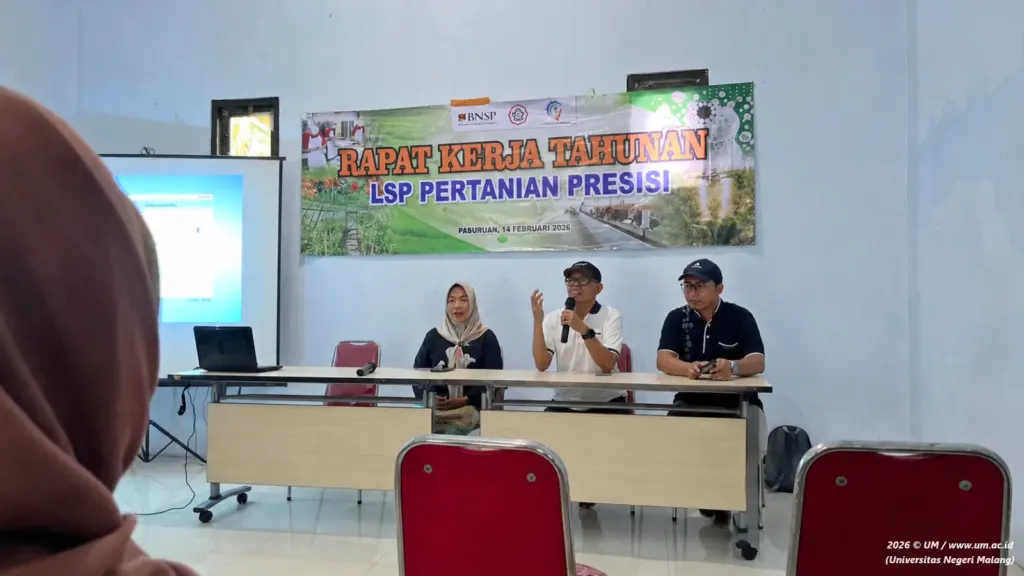
A similar practice has also been implemented by Kholifah, Chairperson of P4S Tani Makmur Pasuruan. She utilizes natural enemies as biological agents to reduce the use of chemical pesticides on farmland.
“Not all insects should be destroyed. Some actually help the farmers,” she remarked.
This ecological approach is considered capable of reducing production costs while maintaining the quality of the agricultural environment in the long term. However, the implementation of farmscaping still faces challenges, as some farmers consider chemical pesticides to be more practical and faster to use compared to natural methods that require a gradual process.
Nevertheless, UM continues to promote the development of sustainable agriculture through research, education, and community assistance. Government support through the Genta Organik program is also considered essential to accelerate the transition toward a productive, healthy, and eco-friendly agricultural system.
The implementation of farmscaping aligns with the Sustainable Development Goals (SDGs), specifically Goal 2: Zero Hunger, Goal 12: Responsible Consumption and Production, and Goal 15: Life on Land, as it supports sustainable agriculture and maintains ecosystem balance.
Reporter: Devi Mariya Sulfa — UM Doctoral Student
Editor: Muhammad Salmanudin Hafizh Shobirin – UM Public Relations